Back in March or so, actor Timothée Chalamet made waves with his comments to the effect that opera is a cautionary tale for film culture, that it’s an art form kept on life support by wealthy donors even though “no one cares about it anymore.”
Those of us who enjoy opera and love listening to it in modern recordings (which are by no means in short supply!) will have been irritated by that casual dismissal. The meme version “Chalamet says opera is dead!” was trending in pop culture for a while.
In April, the distinguished philosopher Martha Nussbaum launched her latest book The Republic of Love: Opera & Political Freedom (Oxford University Press), and a crass reduction of the book’s thesis might be: “Nussbaum says opera is alive!”.
Let’s have a listen: Cherubino’s aria “Voi che sapete” from The Marriage of Figaro (Royal Opera, Covent Garden).
Nussbaum might answer skeptics that opera does indeed reach the masses today, even if the numbers don’t rival Hollywood and Netflix; and it teaches people to listen across differences, recognize human vulnerability and cultivate the love and reciprocity that democratic freedom requires.
Republic of Love looks deeply into Mozartean opera for models and analogies. In Nussbaum’s reading of Marriage of Figaro, she sees Cherubino as a hero of sorts, a model of what a modern man could be: in “Voi che sapete”, he is asking “What is this feeling?” – not “How can I possess women?” He is the counterweight to the other men in the opera: The Count wants domination; Figaro often wants victory. But Cherubino wants understanding. Notice too that Mozart gives Cherubino astonishingly beautiful music, where he could easily have made him ridiculous. This aria is one of the most sincere songs in all of opera, and that in itself tells us that Mozart himself values this emotional openness.
Here’s more Mozart that earns the Nussbaum seal of approval: the Commendatore scene from Don Giovanni (Dutch National Opera).
If Cherubino is the modern role model, Don Giovanni is his opposite. Mozart sets us up to admire him in a way, as a sort of libertine hero. But when he encounters the Commendatore in the devastating finale, the stone man does not merely punish him, he exposes the bankruptcy of a life incapable of recognizing the equal humanity of anyone else.
From Mozart, Nussbaum moves on to later opera composers, notably Verdi and Wagner (the latter as the whipping boy for the whole thesis). And of course we have Beethoven:
Here, Leonore has risked everything by disguising herself as a prison guard to rescue her husband Florestan, in Beethoven’s Fidelio. This is more than an act of marital devotion: it is an assertion that no political system has the right to extinguish human dignity. Their ecstatic duet, “O namenlose Freude!“, doesn’t celebrate military victory or revenge, but rather the joy of two people recognizing one another again in freedom. By Nussbaum’s analysis, that is where political liberty begins.
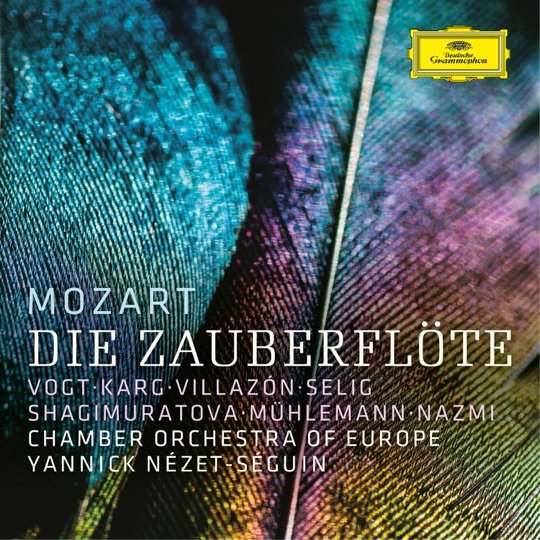
Let’s finish with another Mozart excerpt, from The Magic Flute:
By the time Pamina sings “Ach, ich fühl’s” in The Magic Flute, she believes Tamino has rejected her forever. She has done nothing wrong, yet she has been abandoned, in one of the loneliest moments in all of opera. And yet she sings – not to persuade Tamino, but simply to reveal what it feels like to lose hope. Martha Nussbaum argues that opera helped shape the emotional imagination of the Enlightenment, and still teaches us today that freedom begins not with power, but with our capacity to recognize one another’s humanity.
So take that, Timothée Chalamet!
While you’re enjoying the music, take a look at Republic of Love: Opera & Political Freedom. It’s well worth a read.